I was born in Malaysia and immigrated to Melbourne, Australia, when I was five, where I was raised. I’ve heard that my parents each have six to eight siblings, and that if you put them all together, you could form a football team, but the only relative I really know is my mother’s younger sister (my aunt). I didn’t know my own grandparents, and I would never recognise any relatives if I passed them in the street. The only family members I knew were my mother, father and brother.
I know nothing about Malaysia, only about Melbourne, and until I came to Japan, I could only speak English. I never doubted that I was Australian, nor did I ever consider I was anything else, but since coming to Japan I’ve found myself having to explain the fact that I look Asian but I’m actually Australian. Now that I live on an island, things have become even more complicated. For the people on this island, the other side of the bridge is practically a foreign country, so I guess I must come from outer space then.
Why did I come to Japan?
To be honest, there wasn’t really a specific reason, but the decisions I made at each stage have led me here. Just as I was graduating from RMIT University’s School of Fashion in Melbourne, a friend from my high school days invited me to travel to Japan. I hadn’t made any plans for what to do after university, so I thought I might be able to do an internship whilst travelling in Japan. I looked up fashion brands where I could speak English, found one, and decided to give them a call on the spur of the moment. I asked if I could work there as an intern. That was in December 2008.
Living Overseas for the First Time
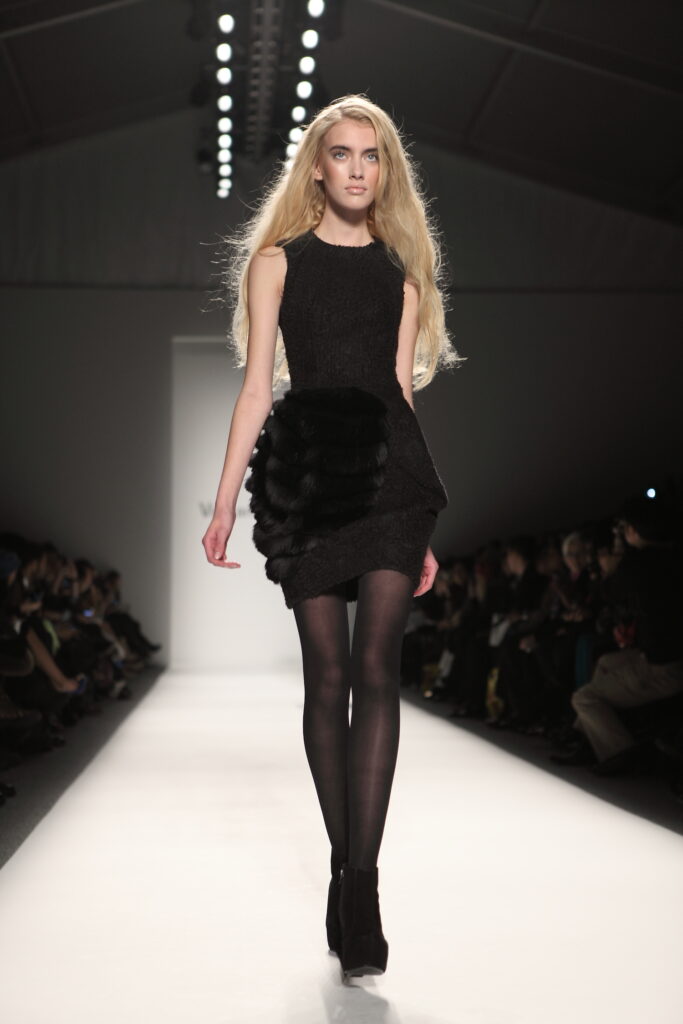
After my two-week trip to Japan had come to an end, I said goodbye to my friends and stayed behind in Japan on my own. From January 2009 until my visa expired, I worked as an intern at that brand from morning until night, every day except Sundays. Unlike in Australia, where working hours are strictly fixed, I had no idea what time I’d be able to go home. In fact, as my Japanese was non-existent, I couldn’t understand what was being said to me anyway. Anyway, the custom was to leave once the work was sufficiently finished, so I’d usually get home around 11 pm, or 10 pm if I was lucky. I was an unpaid intern so I was the first to leave. But living in a different country for the first time (as far as I can remember), working just like the Japanese, and doing what I loved—fashion—made every day so exciting and fun!
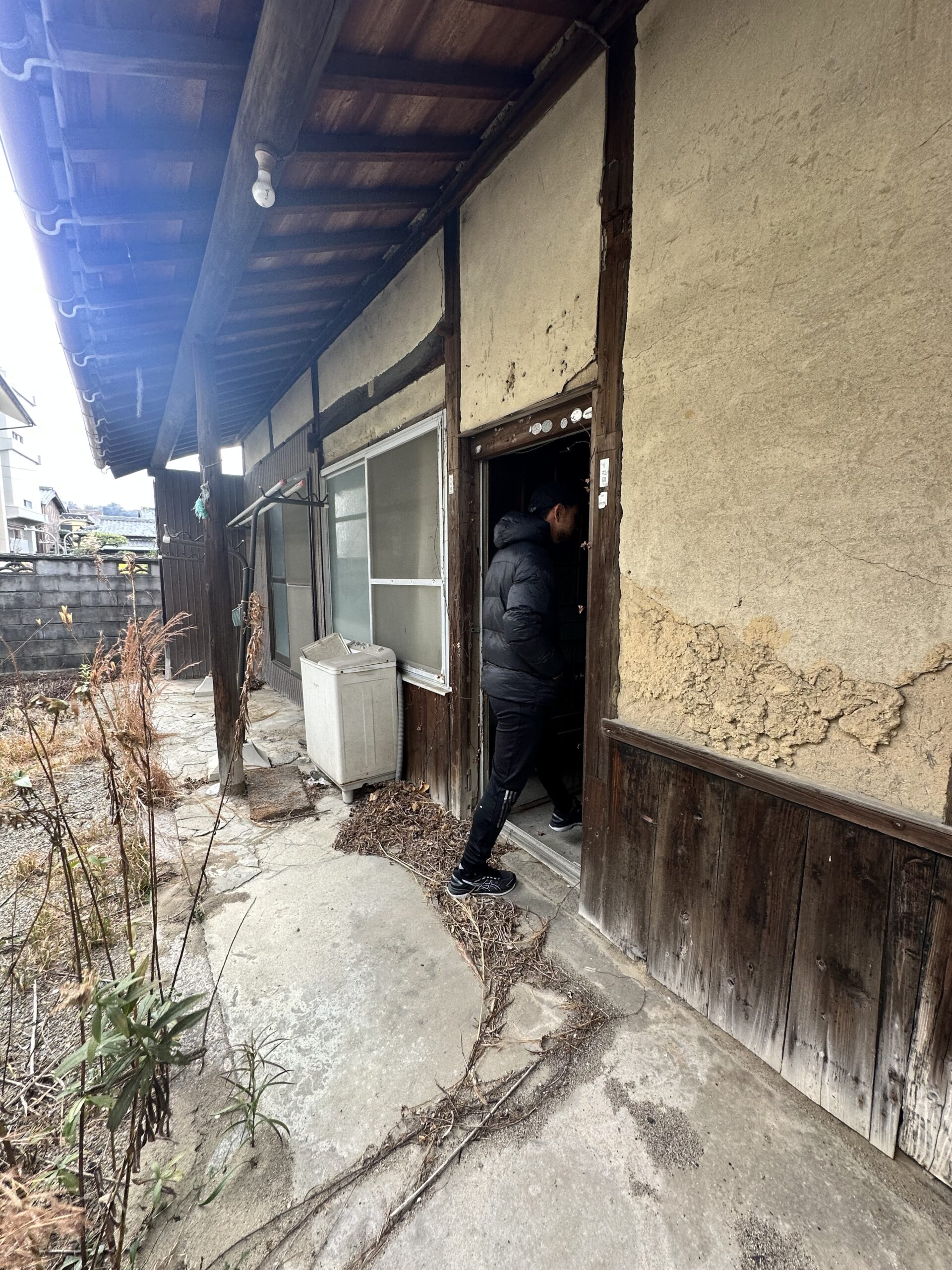
That designer had a house in Omotesando, and I rented a room there to live in during my stay. Tomoya is always surprised at the fact I actually lived in Omotesando. I really didn’t know much about Japan back then, and I didn’t know that only rich people lived there. There were no supermarkets there apart from Kinokuniya (an extremely expensive branded supermarket), and whilst thinking that Japanese supermarkets were expensive, I struggled to find food every week. At the time, I thought the reason all Japanese people were so slim was because food was ridiculously expensive. At that house, they provided rice for free, so I’d make loads of 100-yen Lawson okonomiyaki and eat them with the rice. At the studio where I was interning, people always told me I sounded like someone from Kansai because that’s how they eat their okonomiyaki.
My three months in Japan were so great that I was really sad to go back to Melbourne. As soon as I got back to Melbourne, I booked a ticket and sorted out a visa to return to Japan. I worked part-time for about four months, intending to save up enough living expenses for a few months. I figured I’d worry about what to do once that money ran out. I had absolutely no plan, hadn’t found a job in Japan, and couldn’t speak a word of Japanese, but since I had no reason to stay in Melbourne, I simply wanted to live in Japan for a little longer. That was July 2009, and although a lot has happened since then, before I knew it, here I am in 2026 and I’m still in Japan!
Experiencing the Japanese Way of Working
For the first year and a half after arriving in Japan, I tried to teach myself Japanese whilst working as an English teacher, but it proved rather difficult. As I didn’t have enough money to attend a Japanese language school, I took part in volunteer-run Japanese lessons costing just 100 yen and joined language exchange groups. I became able to read Hiragana and Katakana, could read a few Kanji, and was able to manage simple, slow conversations.
Then I heard that a fashion course I’d been introduced to included a year of Japanese language tuition. Thrilled at the prospect of mastering both fashion and Japanese, I applied for a scholarship and was accepted. Although the course was only for a year, I barely slept, so it felt more like 2 years.In the mornings I attended Japanese language school and in the afternoons, I worked on creating a collection to present at New York Fashion Week. In the evenings I gave English lessons so it barely left me any time for eating or sleeping, and I ended up losing 10kg in a month.
Back when I was at doing fashion in Melbourne, I worked non-stop on my collection without taking any days off so I was told many times, ‘You really should take a break.’ I thought I could handle the Japanese work ethic but during that one-year fashion course, the Japanese really showed me what they mean by ‘working hard’.
Here, on the contrary, I was told, ‘Maybe you’re sleeping too much, if you skip a few hours you may finish your collection on time.’ At the time I was barely functioning from lack of sleep and thought I might actually die if I skipped another hour.
I spoke Japanese every single day for that whole year, and I was even given the opportunity to present at NYFW. As my life revolved around making clothes, it was a truly wonderful experience. By the time it ended, my Japanese had reached an intermediate level, and I could speak fairly fluently.
Meeting Tomoya
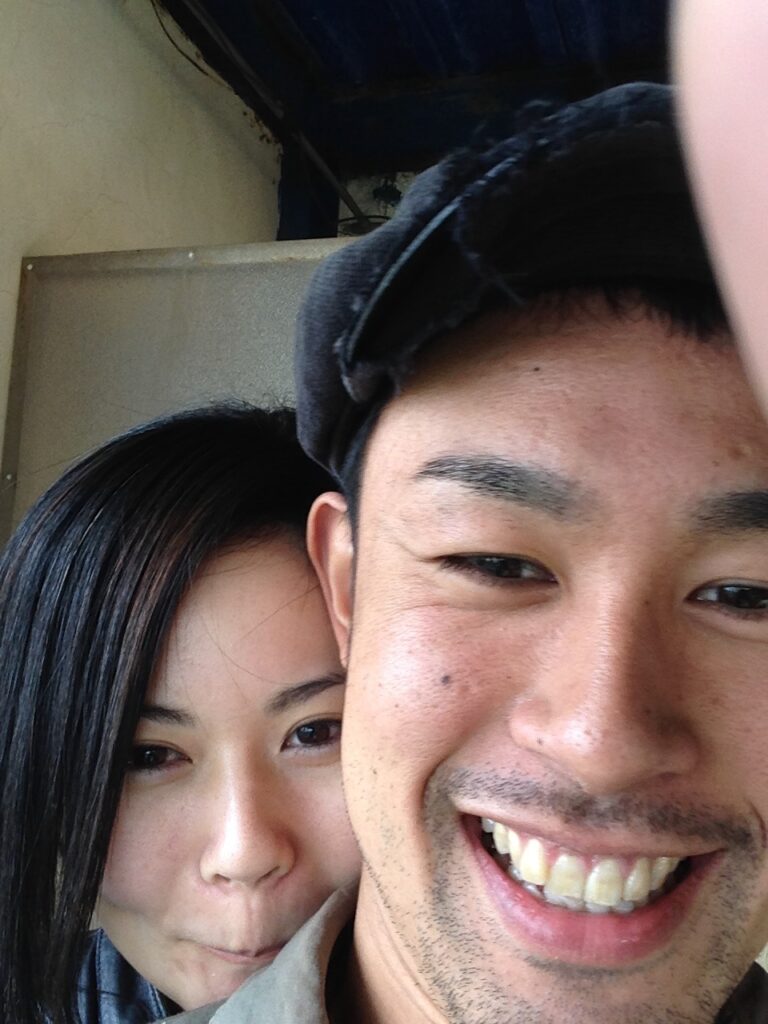
After that, I applied for a job at a fashion brand, and that’s where I met Tomoya. He was actually the one who interviewed me. Even though they’d gone to the trouble of hiring me, I only worked there for four days then took another job as an ALT (Assistant Language Teacher) teaching English, so I never thought I’d see Tomoya again. The morning after a certain Halloween party, I was chased by a man with a green face at Shinjuku Station on the first train of the day. It was Tomoya. It was such a coincidence. Tomoya had just got out of a taxi at Shinjuku Station, and I happened to be walking past when he chased after me. We’ve been together ever since, and eventually got married. He was the first person I’d ever met who I never got tired of being with. Even though we speak different languages and come from different backgrounds, he’s the person I can communicate with best out of everyone I’ve ever met. We haven’t been apart for a single day since then; we’ve been together the whole time, constantly talking about the things we want to do and the things we want to create.
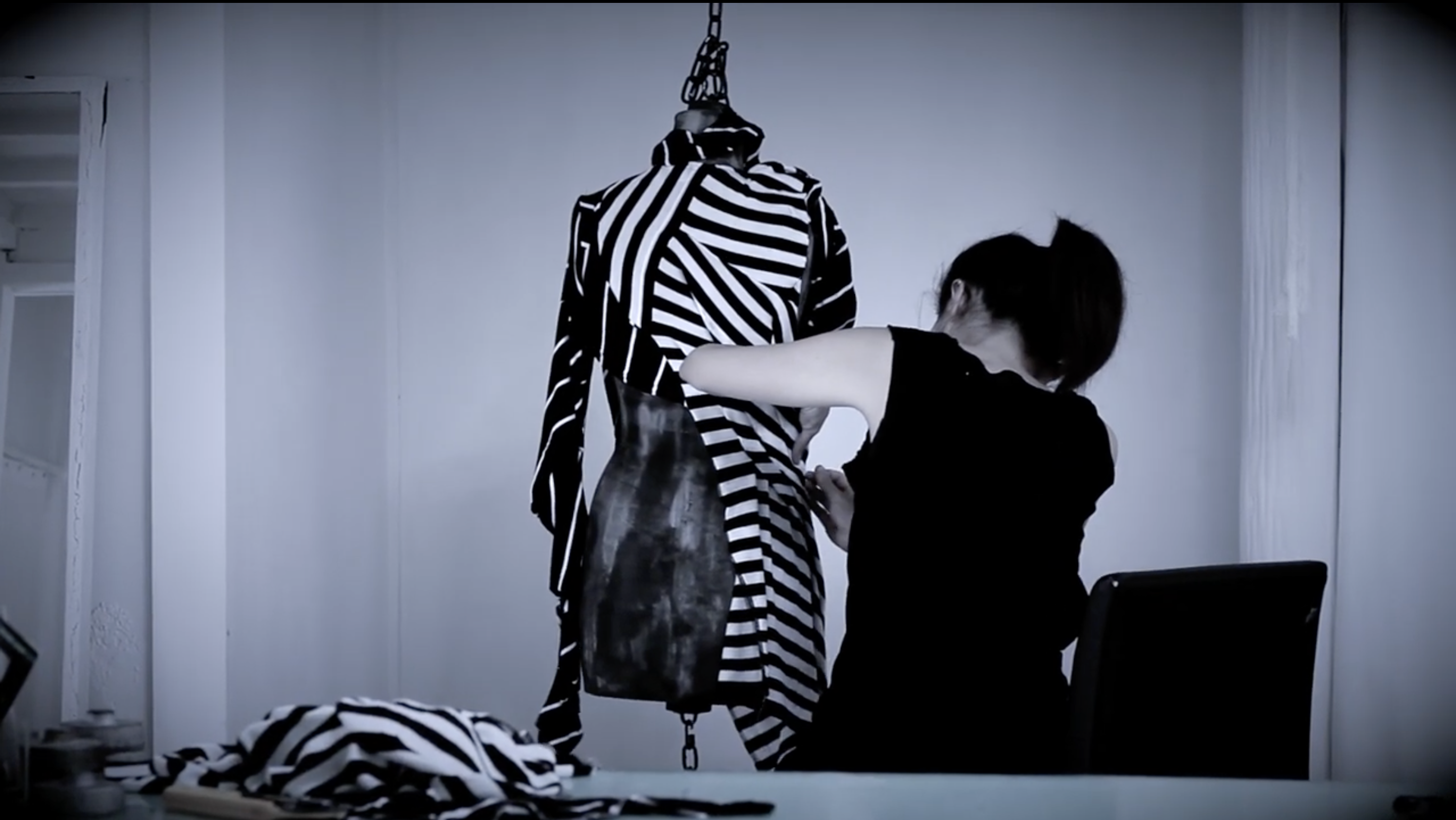
After work every day I’d come home and work on my collection. After the collection was complete, I thought it would be a shame not to show it, so I entered it into a joint exhibition on a whim. Miraculously, it was picked up by a major select shop and ended up being stocked all over Japan. It had always been my dream to see the clothes I designed and made being worn and cherished by all sorts of people. Actually, at that time, I’d just started thinking about leaving Japan and moving to another country, but having established a fashion brand here made me want to stay in this country.
I ran the brand on my own for a while, but I handled all the pattern-making, documentation, emails and phone calls with the factory entirely in Japanese. A one-year fashion course had taken my Japanese to an intermediate level, and running the brand took me to an advanced level. I was in a constant state of crisis every day, using Japanese, looking things up and memorising as I went along, and my Japanese skills naturally improved as I struggled desperately. From the third year onwards, Tomoya quit his job to join me in running the brand, which made things so much easier.
My Black Black Heart
We ran the brand together for a while, and before we knew it, we’d both come to despise the fashion industry. The cycle of creating two collections a year, followed by exhibition after exhibition then mass production, gradually began to feel meaningless. Everything was sold through select shops via buyers so I never met the people who liked, wore, and bought the clothes I’d designed, so it felt like we were just churning out clothes mechanically. We didn’t have the resources to present our collections in interesting ways, so I started to feel like a corporate slave to the fashion system.
As the two of us were living entirely off the brand, we were constantly under pressure regarding sales. If the collection didn’t sell even once, we wouldn’t be able to make ends meet; more than that, we’d run out of money to create the next collection, so we gradually became more and more stressed. My original dream had simply been to make a living from a fashion brand, but I realised that without a certain degree of financial breathing space, I couldn’t design the clothes that I was truly proud of. My new dream became one where I didn’t have to worry about sales or living expenses, and could simply focus on making clothes freely.
Under immense stress, we set off on a detox trip with no particular destination, just to let out the dark feelings we were harbouring. You may already know the story of how we ended up on Awaji Island and moved there, but if you don’t, you can read it here ↓