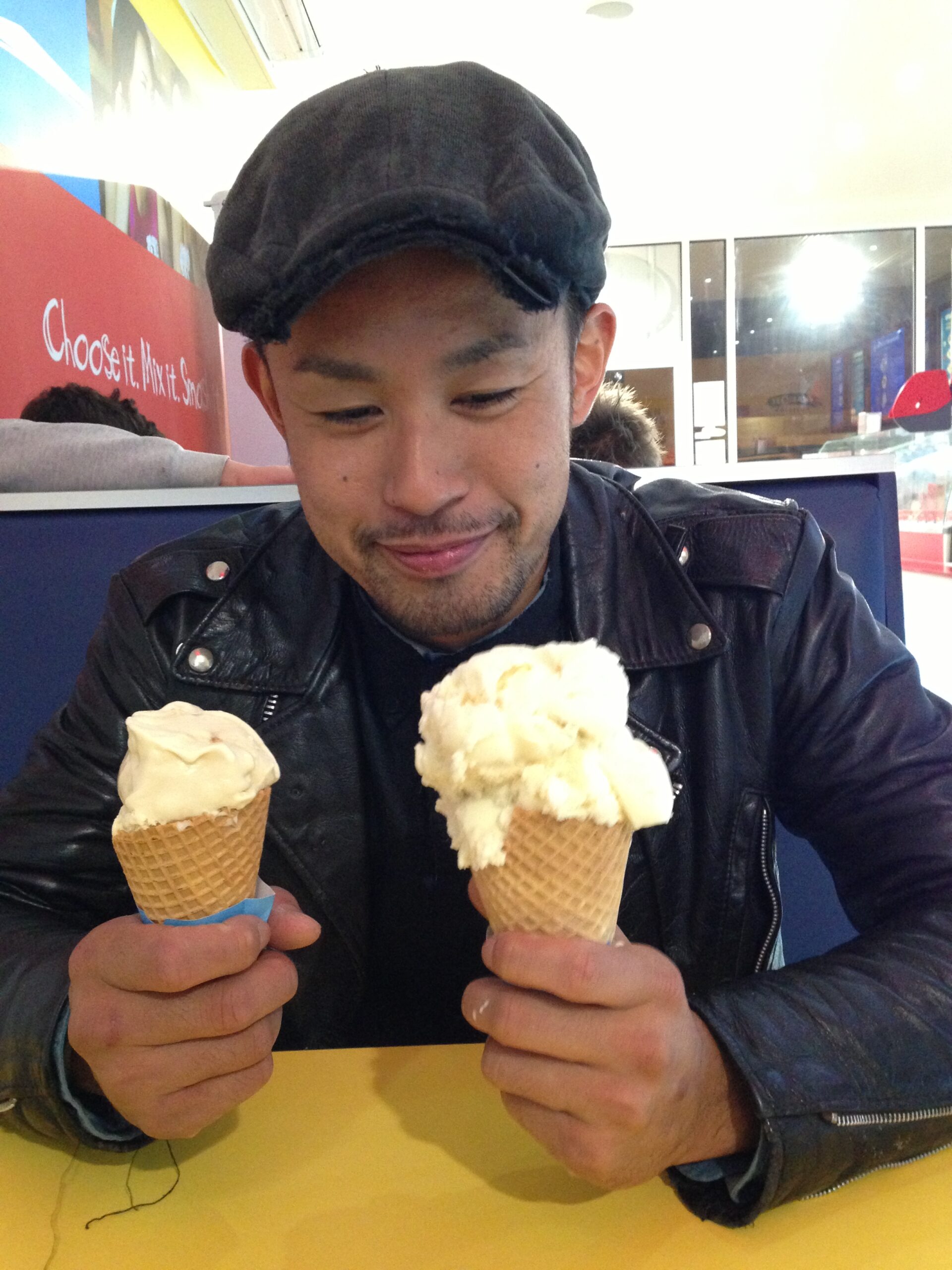
I’m a guy who just goes with the flow without overthinking things and whenever I’m unsure I always choose the option that excites me the most.
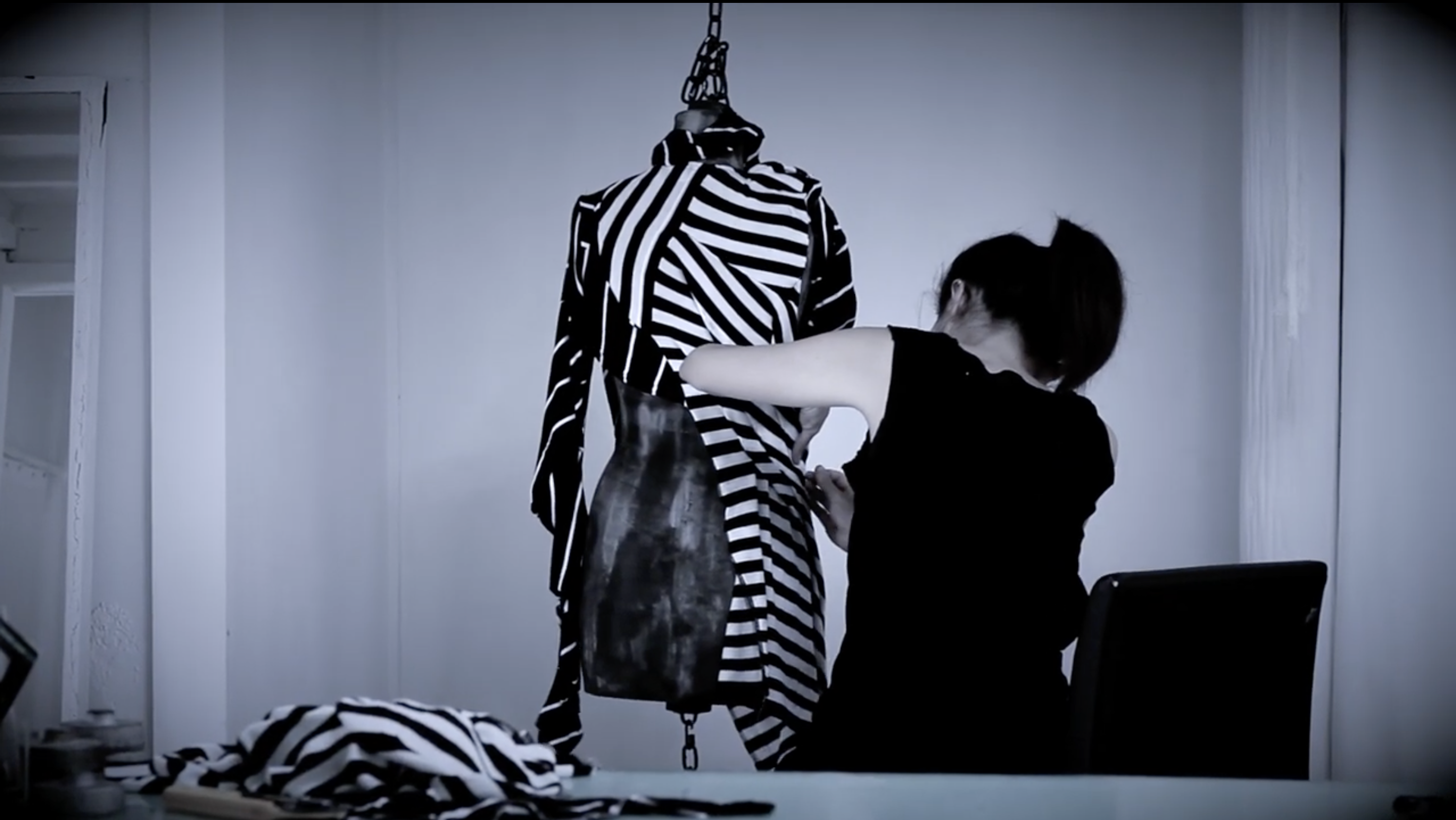
I’m originally from Shizuoka Prefecture, though my family home is in Aichi. I went to Tokyo simply because I wanted to learn how to make clothes. I thought that if I went to Tokyo, something would happen, but first I worked as a truck driver to save up for a technical college, and finally got into the school where I’d always dreamed of learning to make clothes. A year later, when I graduated, I was furious to realise I hadn’t learnt how to make clothes at all. Determined to teach myself, I took a part-time job in sample sewing factory. We made clothes for a lot of different fashion brands, and I was full of enthusiasm. My boss at the time would shout at me every single day, and whilst I’d think to myself, ‘Just you wait and see’, I worked from 7 am to 8 pm, six days a week—sometimes seven—for a monthly salary of 100,000 yen. This wasn’t the 1970s, mind you—it was the 2000s! The balance between the era and the pay was just crazy.
After that, I felt that just making clothes was boring; I wanted a more design-oriented, creative job. But as I’d never done anything like that before, I took an internship at a fashion brand run by an international couple. So, after finishing my sample sewing job, I juggled that with the internship, working from 8 am until the last train home – and that’s how my life went on for a while. Of course, as it was an internship, there was no pay, so my monthly income stayed at 100,000 yen. I was busy drawing patterns, preparing for fashion shows and making clothes, but as it was all new to me, every day was exciting. I had no money, no days off, and I was sleepy and hungry every day, but I felt fulfilled and didn’t think it was hard; in fact, I felt lucky. I wonder how Steven and the others are doing?
Beyond Breaking Point
After that, I quit everything and went to work for a different fashion brand. That might actually have been my first full-time job. I ended up working as a designer’s assistant. At first, I worked from around noon until 9 pm, and although the workload seemed to keep piling up—with tasks that never quite finished—I really enjoyed that job as it centred around making clothes. However, during mass production periods or in the run-up to runway shows and collection launches, it felt like I was constantly making clothes without ever getting to go home. I’d always liked to drink, but with a lifestyle that had no distinction between work and leisure, I started drinking whisky even whilst on the job. It got to the point where I actually asked my boss at the time if it was OK to drink whilst working. He gave me the go-ahead straight away. It seemed as though as long as I got the work done, anything goes.
Sleeping at the studio, making clothes, drinking alcohol – that chaotic rhythm of life began to take its toll on my mental health, and I started to lose enjoyment in my work. I decided it was about time to quit, so I told them I was leaving after the fashion show and walked out. I think I worked there for about six months, but it felt like three years. It’s a brand famous for its pitch-black clothes, but the working conditions were just as bleak. Incidentally, I met Cheryl while I was at that fashion brand. It was during a really busy period when they realised they needed more staff, so I interviewed her, and that’s how she joined. I only spoke to Cheryl briefly when she joined; all I knew was that she was Australian, and she left after about four days.
Furious. Hated fashion. Meeting Cheryl again.
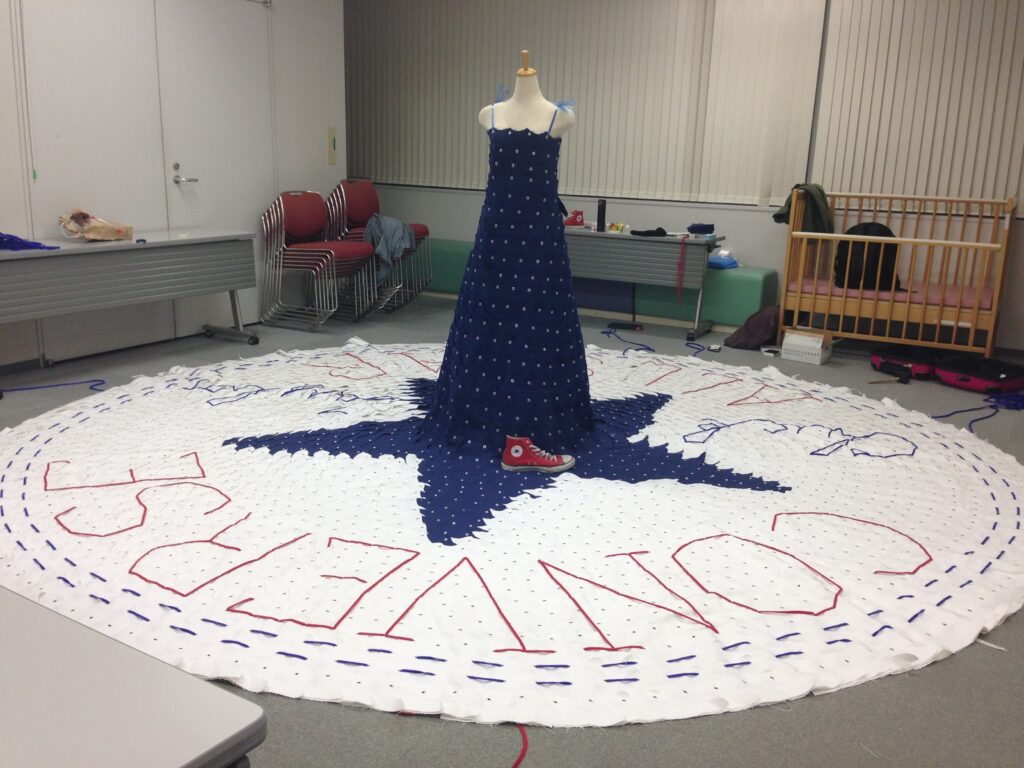
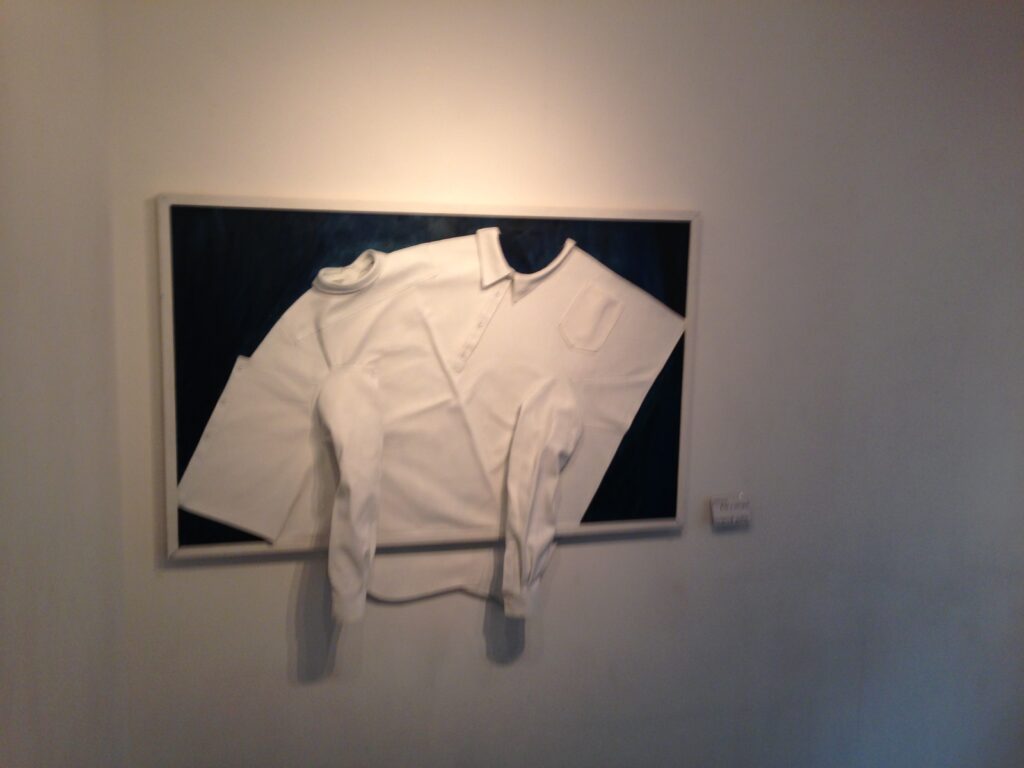
For some reason, I ended up joining an indigo dyeing workshop and started working there. At first, it felt fresh. I found the colour changes and the indigo dyeing process fascinating and gradually grew to love it. However, I didn’t get on with the boss of that workshop at all; he seemed to have it in for me. Eventually, he said something completely nonsensical like, ‘You’re three years too early to be dyeing fabric; go and shave your head first.’ I couldn’t imagine a future working with this guy, so I ended up quitting after just a month. After that, I started doing sample sewing work in a room in my apartment. By then, I’d grown to dislike the fashion industry itself. In my rebellious mood, I teamed up with a friend to create art that challenged the industry’s systems and the very nature of fashion, which we’d exhibit at shows. Shortly before that, in a stroke of miraculous timing, I bumped into Cheryl at Shinjuku Station at 5am. I still think it was quite a miracle to meet Cheryl—whose phone number I didn’t even have—at 5am in the crowded Shinjuku Station.
Setting off together. An alcoholic and a designer.
Cheryl had mentioned at the time that she was launching her own brand and holding an exhibition, so we decided to go and see it. I remember thinking her work was absolutely brimming with talent when I saw her exhibition. After that, a major high-street retailer placed an order with Cheryl’s brand, and it expanded nationwide. In the fashion industry, where it’s said it usually takes three years for a brand to start receiving orders, I still think it’s incredible that Cheryl secured orders with her very first collection.
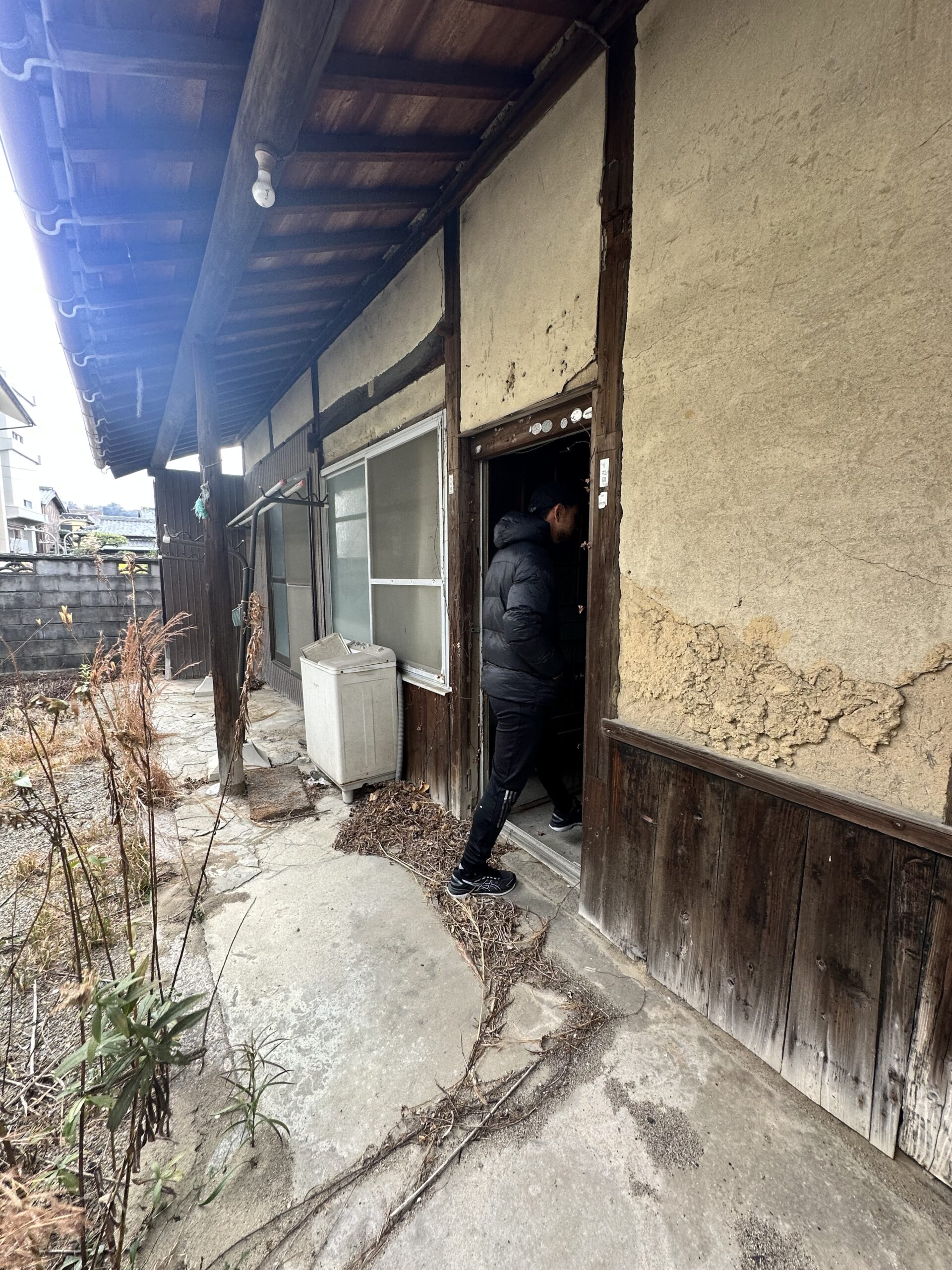
Meanwhile, at that time, I was completely addicted to alcohol; back then, if I didn’t have alcohol in my system, my hands would shake so much I couldn’t even drink water, haha. But I kept on making clothes and art. After that, I ended up helping with the mass production for her brand. I’d spend all my time in her rather run-down apartment and the two of us would sit at a wobbly table, making clothes from evening until morning. About six months after that miraculous reunion, Cheryl and I got married. What started as me helping out with her brand evolved into us running it together, and after various ups and downs, we ended up moving to Awaji Island. You can read the story here↓